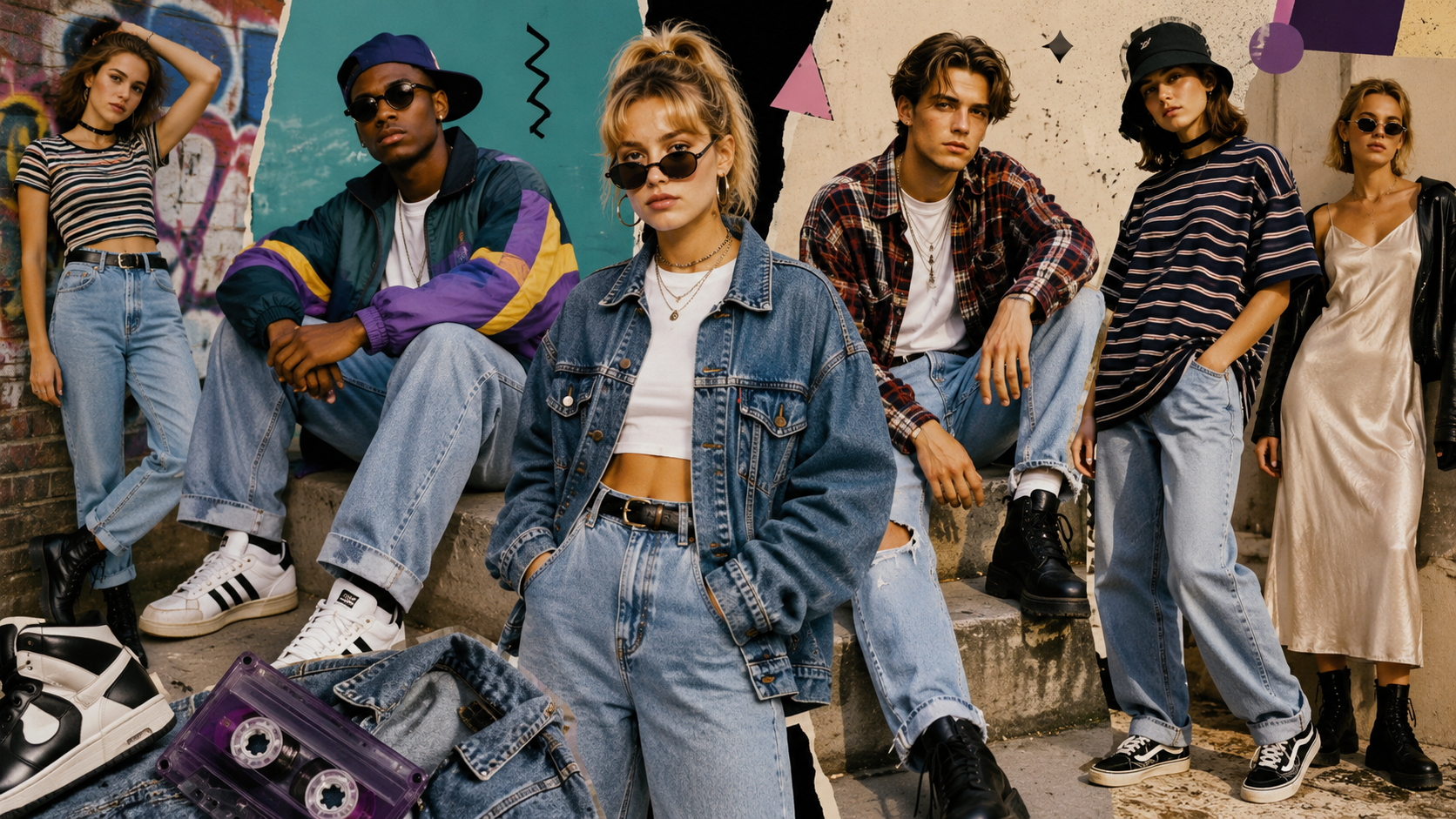
The 1990s marked one of the most influential periods in fashion history, creating a unique blend of style, comfort, individuality, and performance. Unlike previous decades that often focused on extravagance and formal elegance, the 90s introduced a more relaxed and expressive approach to clothing. 90s fashion became a powerful reflection of cultural shifts, technological advancements, music trends, and changing lifestyles. From oversized silhouettes and denim dominance to sportswear-inspired outfits and minimalist aesthetics, the decade transformed the way people dressed and expressed themselves.
The appeal of 90s fashion continues to resonate today because it successfully combined functionality with creativity. It was a decade where comfort met confidence, and personal style became more important than following rigid fashion rules. The era produced iconic looks that remain relevant in contemporary fashion, proving that the 90s were not merely a passing trend but a defining chapter in style evolution.
The Cultural Influence Behind 90s Fashion
90s fashion in the 1990s was deeply connected to the cultural landscape of the time. Music, television, movies, and youth movements played a significant role in shaping clothing choices. The rise of hip-hop culture brought oversized clothing, baggy jeans, and statement sneakers into mainstream fashion. At the same time, grunge music inspired a more rebellious and effortless aesthetic characterized by flannel shirts, ripped denim, and layered outfits.
Popular television shows and films also influenced how people dressed. Characters became style icons, inspiring millions to adopt similar looks. The growing influence of celebrities and supermodels further amplified fashion trends, making the 90s fashion a decade where entertainment and style were closely intertwined.
This cultural fusion created a fashion environment where different styles could coexist. People felt empowered to experiment with their appearance, leading to a diverse range of trends that reflected individuality and self-expression.
The Rise of Casual and Comfortable Fashion
One of the most significant transformations 90s fashion of the 1990s was the shift toward casual dressing. Comfort became a priority, and fashion brands responded by creating clothing that was both stylish and practical. Oversized T-shirts, loose-fitting jeans, sweatshirts, and athletic-inspired apparel gained immense popularity.
This move toward casual fashion 90s fashion represented a broader change in societal attitudes. People increasingly valued authenticity and ease over formality. As workplaces began adopting more relaxed dress codes and everyday lifestyles became more active, clothing evolved to meet these new demands.
The emphasis on comfort did not diminish style. Instead, designers found innovative ways to make casual garments fashionable. This balance between practicality and aesthetics became one of the defining characteristics of 90s fashion and continues to influence modern wardrobes.
Denim as the Defining Fabric of the Decade
Few materials symbolize 90s fashion as strongly as denim. It was everywhere, appearing in jeans, jackets, skirts, overalls, and even accessories. Denim represented versatility, durability, and effortless coolness, making it a staple for people of all ages.
Baggy jeans became particularly popular during the decade, reflecting the relaxed silhouette that dominated fashion trends. High-waisted styles, distressed finishes, and wide-leg cuts provided numerous options for self-expression. Denim jackets were often paired with matching jeans, creating memorable double-denim looks that defined the era.
The widespread popularity of denim highlighted 90s fashion the decade’s preference for clothing that could transition seamlessly between different occasions. Whether dressed up or down, denim remained a reliable and fashionable choice throughout the 1990s.
The Impact of Sportswear and Performance Fashion
The 1990s witnessed the growing influence of sportswear on mainstream fashion. Athletic clothing was no longer confined to gyms and sports fields. Instead, it became 90s fashion a significant component of everyday style. Tracksuits, windbreakers, sneakers, and performance-inspired apparel gained widespread acceptance among consumers.
This trend reflected a growing interest in fitness, health, and active lifestyles. Fashion brands began incorporating performance features into their designs, prioritizing comfort, flexibility, and durability. The result was clothing that could support both physical activity and casual wear.
Sneakers emerged as a major fashion 90s fashion statement during this period. Athletic footwear evolved beyond functionality to become symbols of personal style and cultural identity. The popularity of sportswear in the 1990s laid the foundation for today’s athleisure movement, demonstrating the lasting impact of the decade’s fashion innovations.
Grunge Fashion and the Spirit of Rebellion
Grunge fashion became one of the most recognizable styles of the 1990s. Inspired by alternative rock music and youth counterculture, grunge embraced a deliberately unpolished appearance. Flannel shirts, oversized sweaters, ripped jeans, combat boots, and layered clothing became signature elements of the trend.
The appeal of grunge fashion lay 90s fashion in its rejection of conventional beauty standards and excessive glamour. It celebrated individuality, authenticity, and a carefree attitude toward appearance. Rather than striving for perfection, grunge encouraged people to embrace imperfection and express their unique identities.
This rebellious spirit resonated with a generation seeking alternatives to traditional fashion norms. As a result, grunge became more than a clothing style; it became a cultural statement that reflected broader social attitudes and values.
Minimalism and Sophisticated Simplicity
While grunge represented one side of 90s fashion, minimalism offered a contrasting aesthetic. Minimalist fashion focused on clean lines, neutral colors, and understated elegance. Simple slip dresses, tailored trousers, fitted tops, and monochromatic outfits became increasingly popular among those seeking a refined and sophisticated look.
The minimalist movement emphasized 90s fashion quality over excess. Designers embraced simplicity, allowing garments to speak through their construction, fabric, and fit rather than elaborate embellishments. This approach appealed to consumers who appreciated timeless style and versatility.
Minimalism demonstrated that fashion could be powerful without being flashy. Its influence remains visible in contemporary design, where clean aesthetics and functional elegance continue to attract widespread admiration.
The Role of Accessories in 90s Fashion
Accessories played an essential role in completing 90s fashion outfits. Chokers, bucket hats, bandanas, tiny sunglasses, and colorful hair accessories became defining elements of the decade’s style. These accessories allowed individuals to personalize their looks and add distinctive touches to their clothing.
Fashion in the 1990s encouraged creativity, 90s fashion and accessories provided an accessible way to experiment with trends. Whether adding a simple choker to a minimalist outfit or pairing a bucket hat with streetwear-inspired clothing, accessories helped express personality and individuality.
Many iconic accessories from the decade have experienced significant revivals in recent years, highlighting their enduring appeal and cultural significance.
Streetwear’s Emergence as a Fashion Powerhouse
Streetwear gained substantial momentum during the 1990s, transforming from a niche subculture into a major fashion movement. Influenced by skateboarding, hip-hop, 90s fashion fashion and urban culture, streetwear emphasized comfort, originality, and self-expression.
Graphic T-shirts, hoodies, cargo pants, and oversized silhouettes became hallmarks of the streetwear aesthetic. Unlike traditional fashion trends that often originated from luxury designers, streetwear emerged from grassroots communities and youth culture.
The rise of streetwear demonstrated the growing democratization of 90s fashion Style was no longer dictated solely by runways and elite fashion houses. Instead, everyday people and cultural movements played an increasingly important role in shaping trends and influencing consumer preferences.
The Influence of Supermodels and Celebrity Culture
The 1990s witnessed the rise of the supermodel 90s fashion phenomenon, with fashion models becoming global celebrities. Their influence extended far beyond runways, shaping beauty standards, advertising campaigns, and consumer behavior.
Celebrity culture also played a significant role in popularizing fashion trends. Musicians, actors, and athletes became style icons whose clothing choices inspired millions of fans. 90s fashion magazines and television programs amplified their influence, creating a powerful connection between entertainment and style.
This growing visibility of celebrities helped accelerate the spread of fashion trends and contributed to the decade’s dynamic and rapidly evolving style landscape.
Gender Expression and Fashion Freedom
The 1990s introduced greater flexibility in how people approached gender and fashion. Oversized clothing, relaxed silhouettes, and unisex styles blurred traditional distinctions 90s fashion between men’s and women’s fashion. This shift allowed individuals to explore personal style without feeling constrained by rigid expectations.
Fashion became increasingly 90s fashion focused on self-expression rather than conformity. People embraced diverse influences and mixed different styles to create unique looks that reflected their identities and preferences.
This spirit of inclusivity and experimentation helped pave the way for the broader acceptance of diverse fashion expressions seen in contemporary culture.
The Lasting Legacy of 90s Fashion
The influence of 90s fashion remains remarkably strong today. Many of the decade’s most iconic trends have returned to prominence, including oversized clothing, wide-leg jeans, sneakers, minimalist designs, and streetwear-inspired aesthetics. Fashion designers frequently revisit 90s styles, drawing inspiration from the era’s creativity and versatility.
The enduring popularity of 90s fashion can be attributed to its emphasis on authenticity, comfort, and individuality. These qualities continue to resonate with modern consumers who seek clothing that reflects both personal style and practical needs.
Social media and digital platforms have further contributed to the revival of 90s fashion by introducing classic trends to new generations. As a result, the decade continues to inspire innovation and shape contemporary fashion conversations.
Conclusion
The 1990s represented a bold new era of style and performance that transformed the fashion industry in lasting ways. Through its embrace of comfort, individuality, sportswear influences, 90s fashion streetwear culture, and minimalist elegance, the decade redefined how people approached clothing and self-expression. Fashion became more accessible, diverse, and reflective of real-life experiences.
The legacy of 90s fashion extends far beyond nostalgia. Its emphasis on authenticity, versatility, and personal freedom continues to influence designers, brands, and consumers around the world. As modern fashion evolves, the spirit of the 1990s remains a powerful source of inspiration, proving that this remarkable decade was truly a defining moment in the history of style.